Great service starts before a customer reaches the counter, and it continues long after they leave the branch. In 2026, Saudi enterprises connect two often-separate worlds, the waiting area and the phone system, into one seamless experience. A dependable queue management system in Saudi Arabia handles the lobby, while enterprise IP phones handle every call, callback, and appointment reminder that keeps customers loyal.
This article shows how queuing software and modern telephony work as a single service engine for banks, clinics, and telecom retailers. We will map the components, weigh the numbers, and walk through a rollout that respects Arabic-first customer expectations.
How a queue management system in Saudi Arabia shapes first impressions
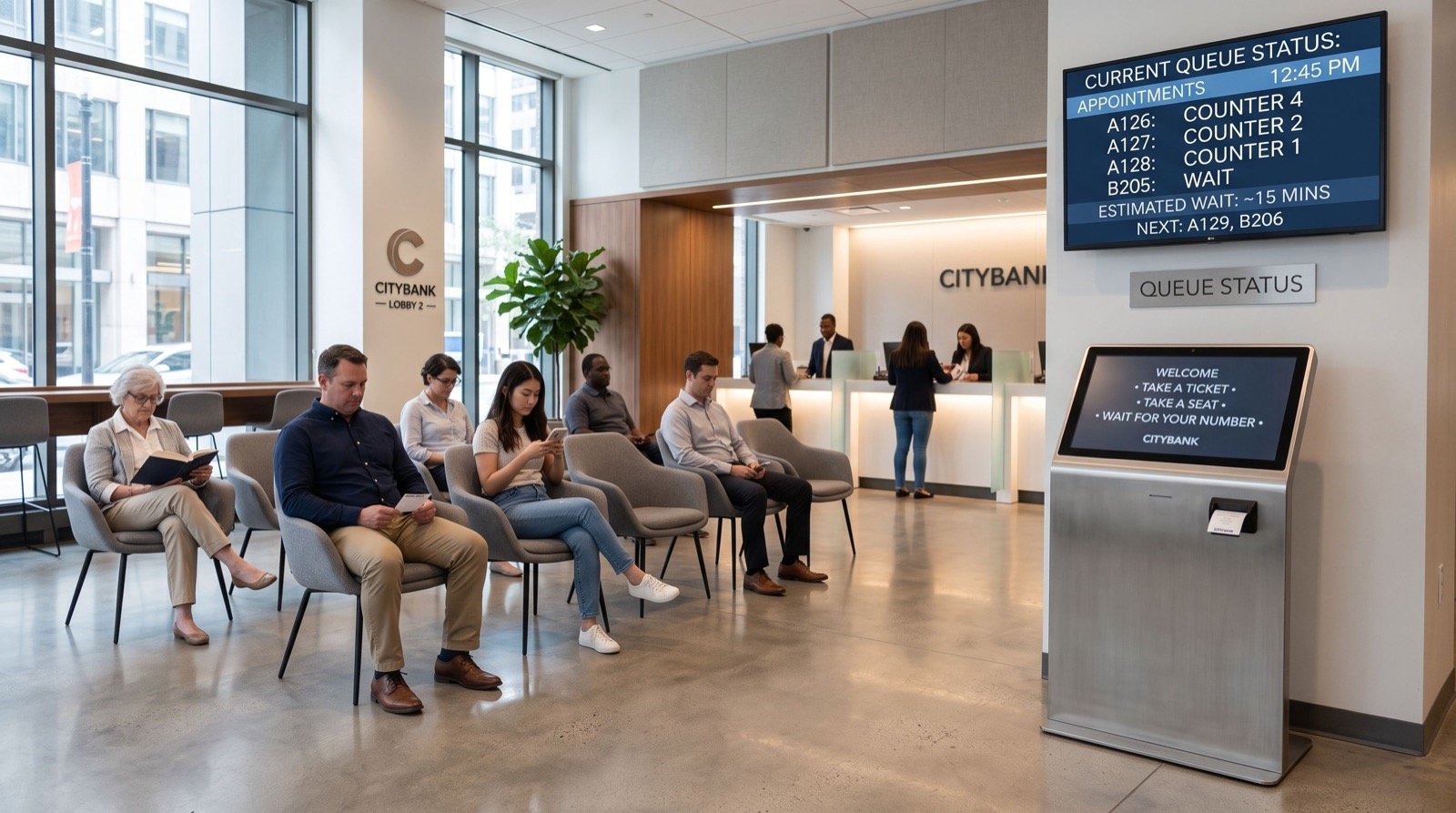
The first sixty seconds inside a branch set the tone for the whole visit. A queue management system in Saudi Arabia replaces the anxious huddle near the door with a calm, ticketed order that customers trust. People sit, watch the display, and receive an SMS when their turn approaches.
That calm is not cosmetic. Structured queuing feeds managers precise data on arrivals, service duration, and abandonment, so staffing decisions stop being guesswork. When a Riyadh branch learns that Sunday mornings spike by forty percent, it schedules accordingly.
Demand keeps rising because the return is measurable and fast. Enterprises that deploy a queue management system in saudi arabia consistently record shorter waits, fewer abandoned tickets, and steadier staff workloads within a single quarter. That reliable, data-backed flow is exactly what earns a customer’s return visit.
Saudi Arabia’s broader digital agenda supports this direction. The Kingdom’s National Transformation Program under Vision 2030 prioritizes efficient, citizen-centric services, and orderly, data-driven branches are a visible expression of that commitment.
Core modules that customers actually notice
- Bilingual ticket kiosks and mobile QR entry to end lobby crowding.
- Digital signage that announces each number in Arabic and English.
- Appointment booking that merges walk-ins with scheduled visits.
- SMS and app alerts so customers step away and return on time.
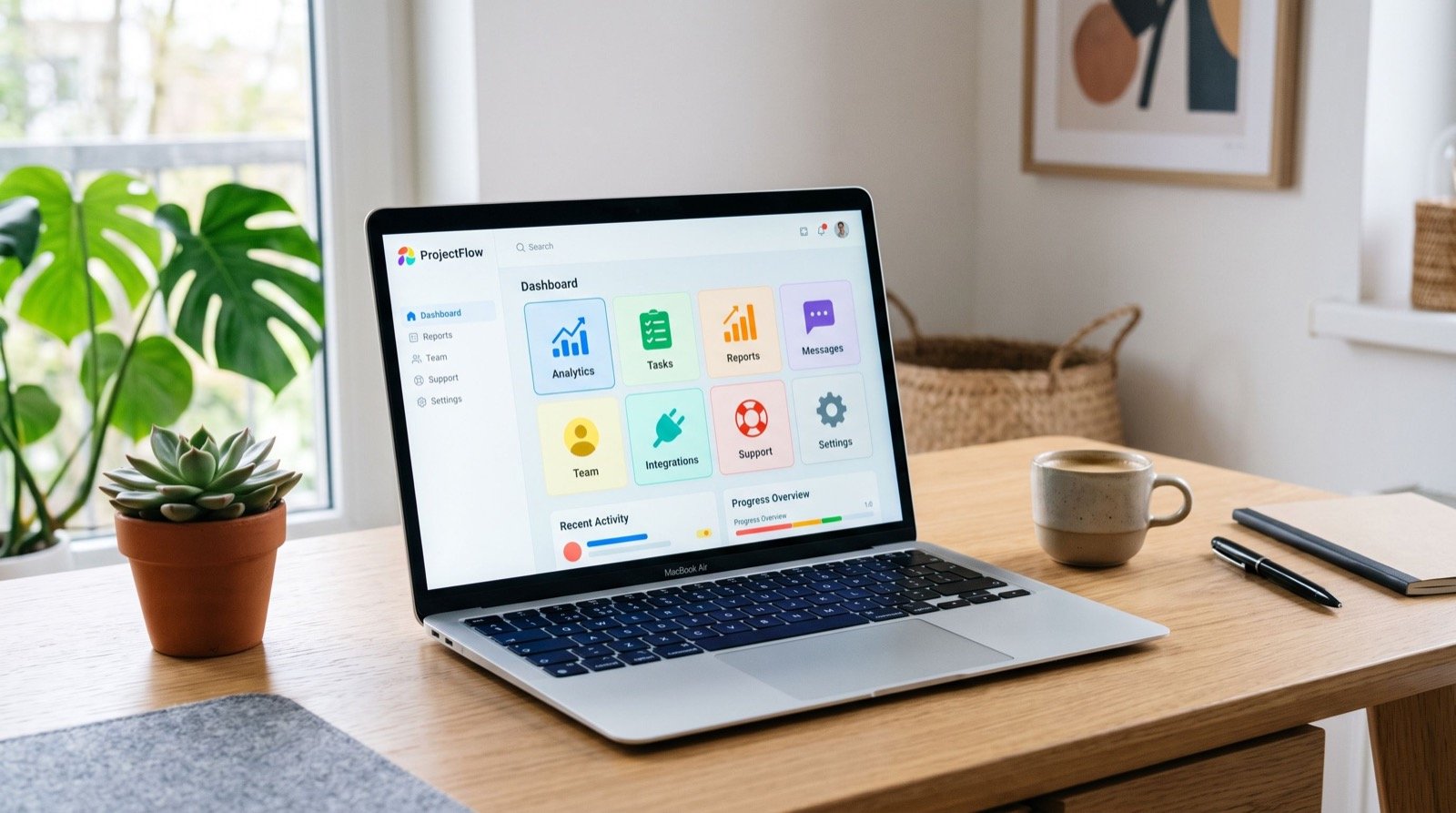
- Live dashboards that expose bottlenecks before they frustrate people.
Why phone systems belong in the same conversation
A branch that manages its lobby well but drops calls still loses customers. Enterprise telephony closes that gap, and this is where hardware like Fanvil IP Phones in Saudi Arabia earns its place on every desk. Clear HD audio, fast transfers, and reliable conferencing keep the human side of service sharp.
Modern IP phones do more than ring. They integrate with the CRM, show caller history on the screen, and let a teller confirm an appointment without leaving the call. When the queue system and the phone system share data, a callback becomes a scheduled slot instead of a lost lead.
For contact-heavy sectors like banking and healthcare, that integration is decisive. The lobby and the phone line become two doors into the same, well-run service floor.
Reliability also matters more than flashy features. A dropped call during a loan enquiry or a garbled line at a hospital reception costs trust that no lobby upgrade can win back. Enterprise-grade IP phones deliver consistent HD audio, resist network jitter, and stay provisioned even after a firmware push, which keeps the front desk dependable through every shift.
Scalability rounds out the case. As a Saudi chain opens new branches through 2026, central provisioning lets IT clone a proven phone configuration in minutes rather than reconfiguring each device by hand. That speed keeps expansion smooth and consistent across every location.
What makes an IP phone right for a Saudi branch?
The right phone balances audio quality, durability, and easy provisioning. Branches in the Kingdom need bilingual menus, PoE support to simplify cabling, and multi-line handling for busy front desks. Devices that provision automatically from a central server save IT teams hours during a multi-branch rollout, which matters when a bank fits out dozens of locations at once.
Comparing the lobby layer and the voice layer
Each layer targets a different moment in the customer journey, yet they reinforce one another. The table below clarifies the split.
| Aspect | Queue Management Layer | IP Telephony Layer |
|---|---|---|
| Moment served | Walk-in and in-branch wait | Calls, callbacks, reminders |
| Key hardware | Kiosk, signage, ticket printer | HD IP desk phones, headsets |
| Success metric | Average wait per ticket | Answered-call rate |
| Customer benefit | Fair, transparent order | Fast, clear resolution |
| Shared data | Appointments, CRM records, branch analytics | |
A rollout plan that unifies both systems
Combining lobby and voice technology works best in a defined order. Here is the sequence Saudi operators use to launch without downtime.
- Baseline both channels: measure lobby waits and answered-call rates for two weeks.
- Pick one pilot branch and set clear targets for each metric.
- Install queuing kiosks and provision IP phones from a central server.
- Link both systems to your CRM so appointments and calls sync.
- Train front-desk staff on the combined dashboard, in Arabic and English.
- Scale branch by branch, reviewing analytics every thirty days.
Vendor selection deserves care. Choose reliable local experts who offer Arabic support, local warranty coverage, and hands-on training, not a distant supplier who disappears after shipping the boxes.
An insight worth applying
Treat the phone as part of the queue, not a separate channel. When a missed call automatically creates a callback ticket in the same system, no customer falls through the cracks. That single integration often recovers more revenue than any lobby tweak, because it rescues leads you were already losing silently.
Frequently Asked Questions
Can a queue management system in Saudi Arabia link to my phone system?
Yes. In 2026, most enterprise platforms share a common data layer with IP telephony, so appointments, callbacks, and customer records stay synchronized. That link lets a missed call become a scheduled slot instead of a lost opportunity.
Do Fanvil IP phones support Arabic menus?
Modern enterprise IP phones offer bilingual interfaces, including Arabic, which suits mixed customer and staff environments across the Kingdom. Central provisioning also lets IT teams push consistent settings to every device from one console.
Which sectors benefit most from combining the two systems?
Banks, hospitals, clinics, and telecom retailers see the largest gains, because they handle high walk-in volume and heavy call traffic at the same time. Unifying both channels raises answered-call rates while shortening lobby waits.
How disruptive is installation to daily trade?
A single-branch pilot usually goes live within a few weeks, and phones provision automatically to minimize downtime. Network rollouts run in phases so each branch keeps trading while the next one is fitted.
Conclusion
Service excellence in 2026 is no longer split between the lobby and the phone line. A well-integrated queue management system in Saudi Arabia, paired with dependable enterprise IP telephony, turns every touchpoint into a smooth, measurable experience that keeps customers coming back. Map both channels, pilot one branch, and let the data guide your rollout. Contact a specialist team today to plan a unified deployment.